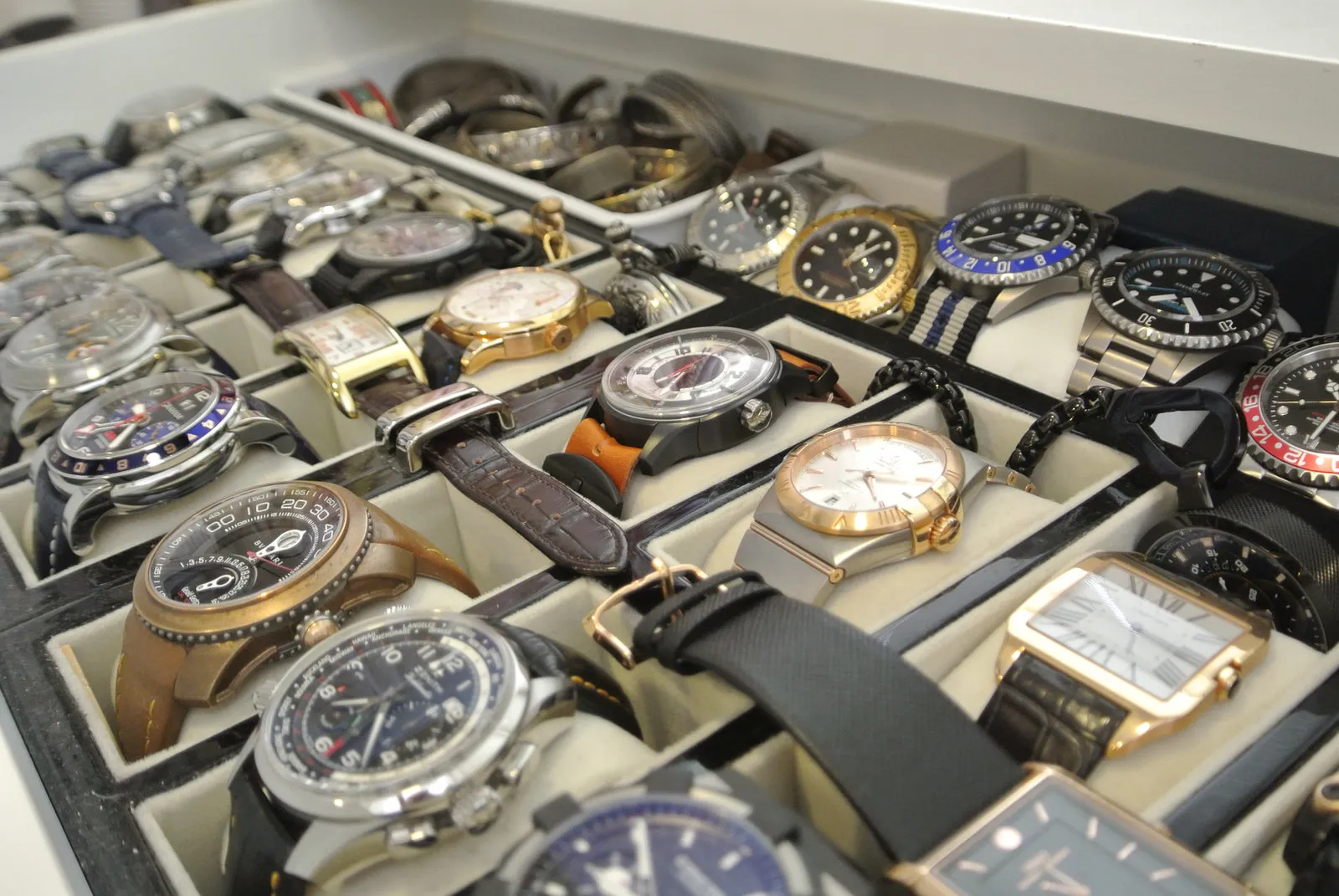
You don't need the most expensive watch to start a watch collection. You need one that means something. Juan Carlos Prieto is sure of it: a watch collection starts with the heart. It might be the watch you got for graduation, the one you inherited, or the one you bought yourself to mark a milestone. Then comes time to choose, the daily care and, if it ever arrives, the dream watch. In the end, every watch is a memory you wear on your wrist and, someday, a legacy.
The first thing a man looks at
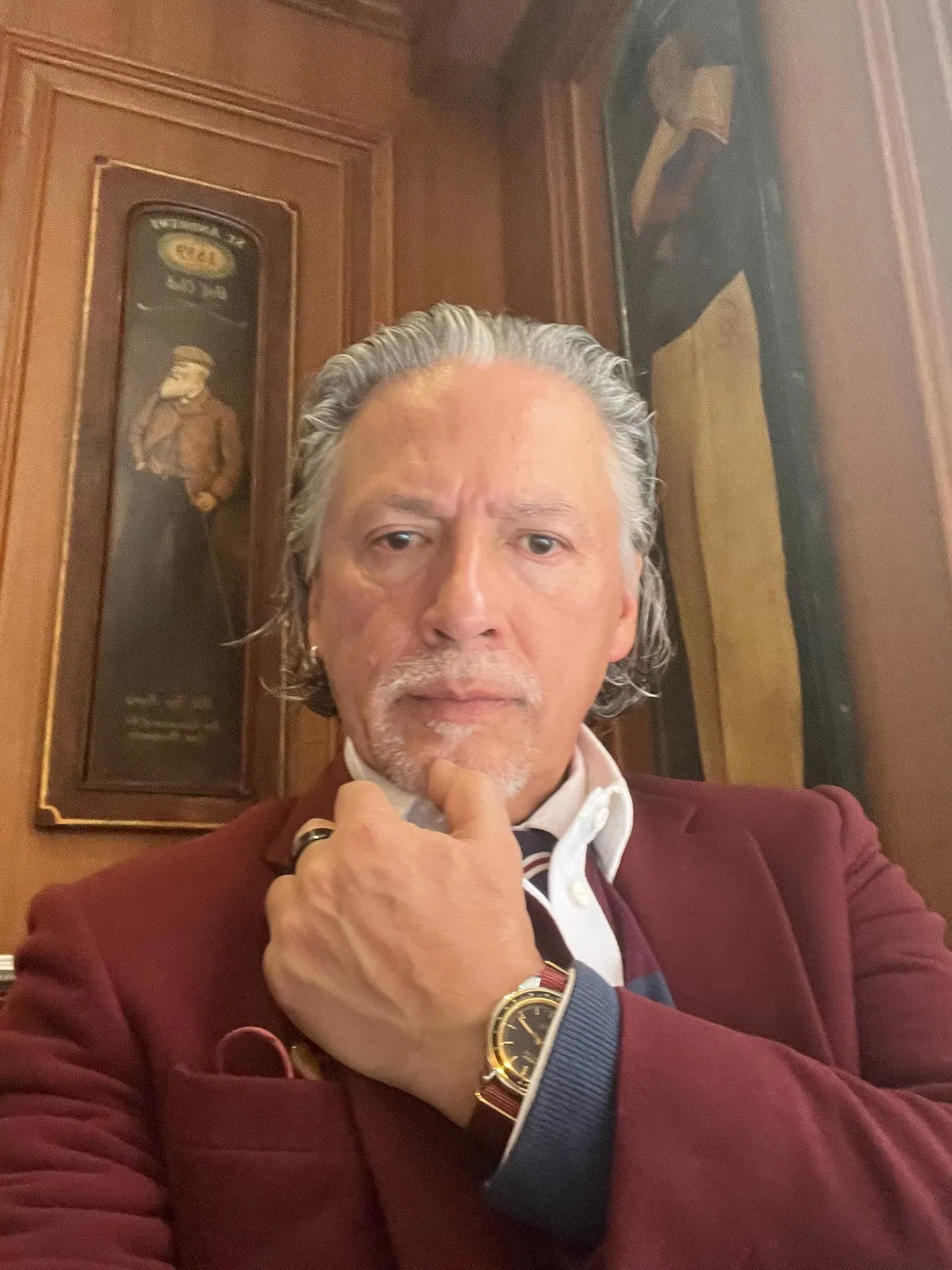
When I asked my dad where you start a watch collection, he didn't answer with a brand. He looked at his wrist.
We'd been talking about something else, proposals, work, the week ahead, and the moment the word watch came up, the conversation changed pace.
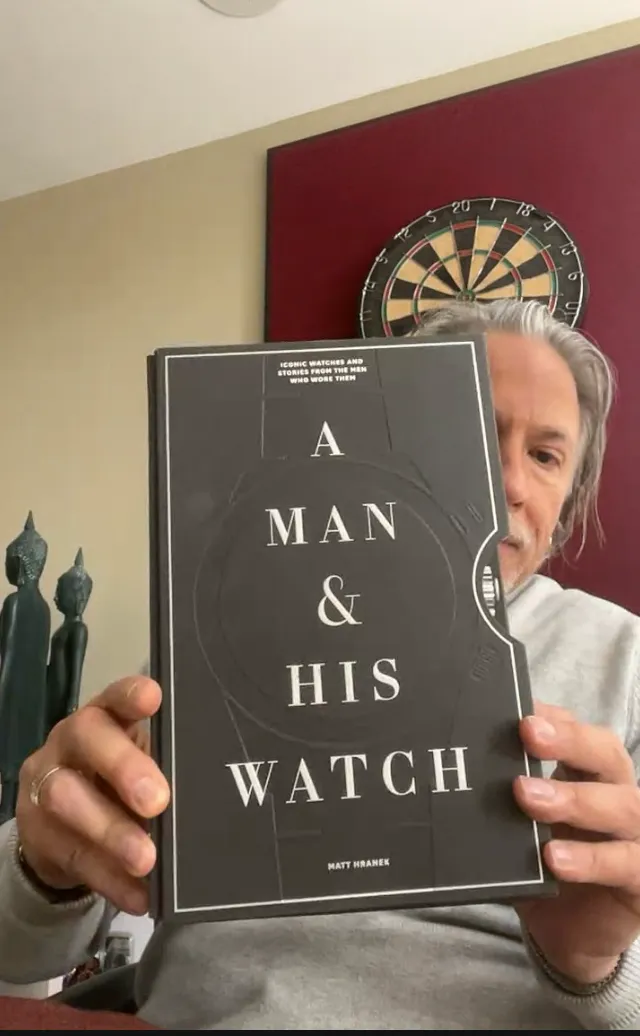
He pulled out a book he's kept close for a while, A Man and His Watch by Matt Hranek: a collection of photos and short stories of men explaining which watch they wear and why. He leafed through it slowly, the way you'd go back to a family album.
For him, a watch is worth far more than the brand, the maker, the model, or whether it's gold or platinum.
Beyond all that, there's the emotional side: a lovely memory, someone who gave it to you, or something really important you're celebrating. And you look at your wrist and say, "I remember this one. I bought it for this. I keep it because of this."
That, for him, is the starting point. Before you learn about calibers, complications or the pre-owned market, anyone who wants to collect watches has to understand one thing: you're not collecting machines. You're collecting moments.
Why the watch is the king of men's accessories
My dad grew up watching his mother's world. A feminine world full of options: colors, high heels, chains, scarves, turbans, handbags. Every detail was a way of saying something.
Men, on the other hand, were handed a short list. A tie, a pair of cufflinks for a wedding or a graduation, maybe a pocket square. And the watch.
The watch is the king of men's accessories.
It's also the only thing many men wear all day, every day.
That's why it carries so much weight. With so few pieces to express yourself, the one on your wrist ends up speaking for all the others. It says whether you're classic or technical, understated or bold, whether you inherited something or earned it. And it says it quietly, every time someone shakes your hand.
Your first watch is a moment, not a price tag
Most collections, according to my dad, don't start with a planned purchase.
They start with a gift. The graduation watch, the one your father gave you when you landed your first job, the one your colleagues handed you when you left a company.
"A collection doesn't have to start with the most expensive watch," he explained. "It can start with one that carries a lot of meaning."
My dad's fascination with watches began with his brother, Germán. When Germán started working, he bought himself a Citizen with a small gold-plated case and a leather strap. My dad went with him to pick it out and discovered a universe of designs, movements and prices that flooded his mind.
Years later, once he'd saved enough, he bought his first watch: a Casio with a dial designed like a Cartesian plane, a nod to his love of engineering. Other watches came over time, but he never stopped appreciating something that goes beyond the piece itself: the care with which it's presented. The box, the moment you open it, the feeling of putting away an object you know you're going to keep.
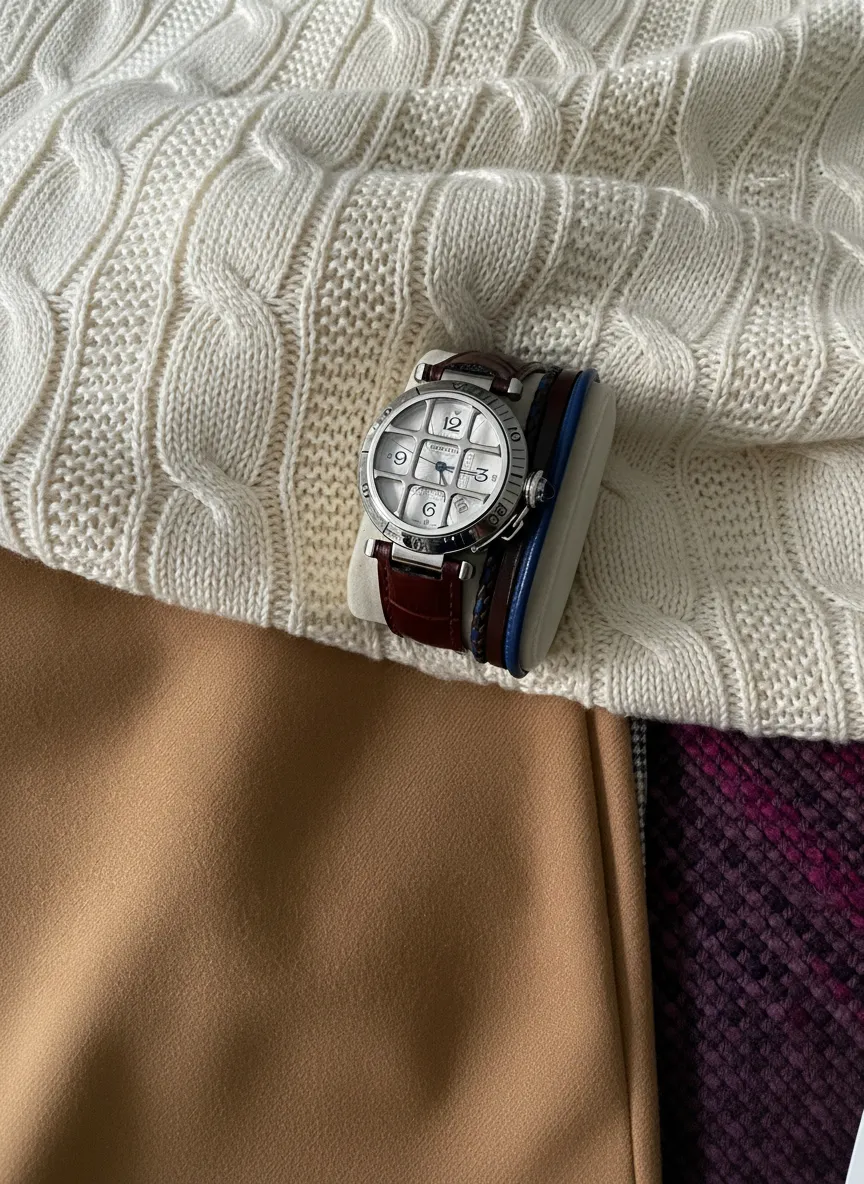
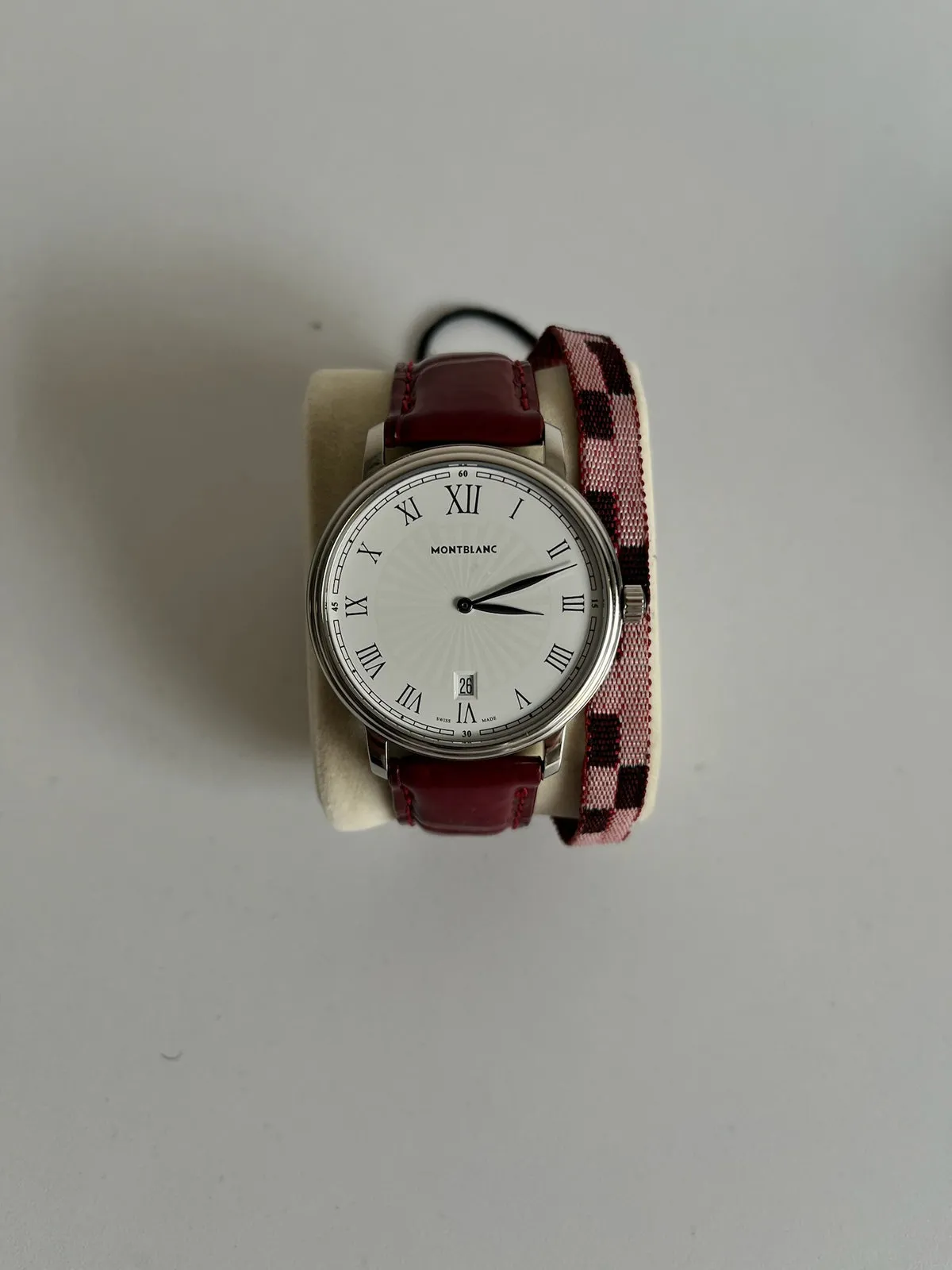
Maybe that's why, when my two sisters and I graduated, he gave each of us a watch from his own collection. He didn't buy new ones: he chose a piece of his story so we could start building ours.
The watches of his three daughters
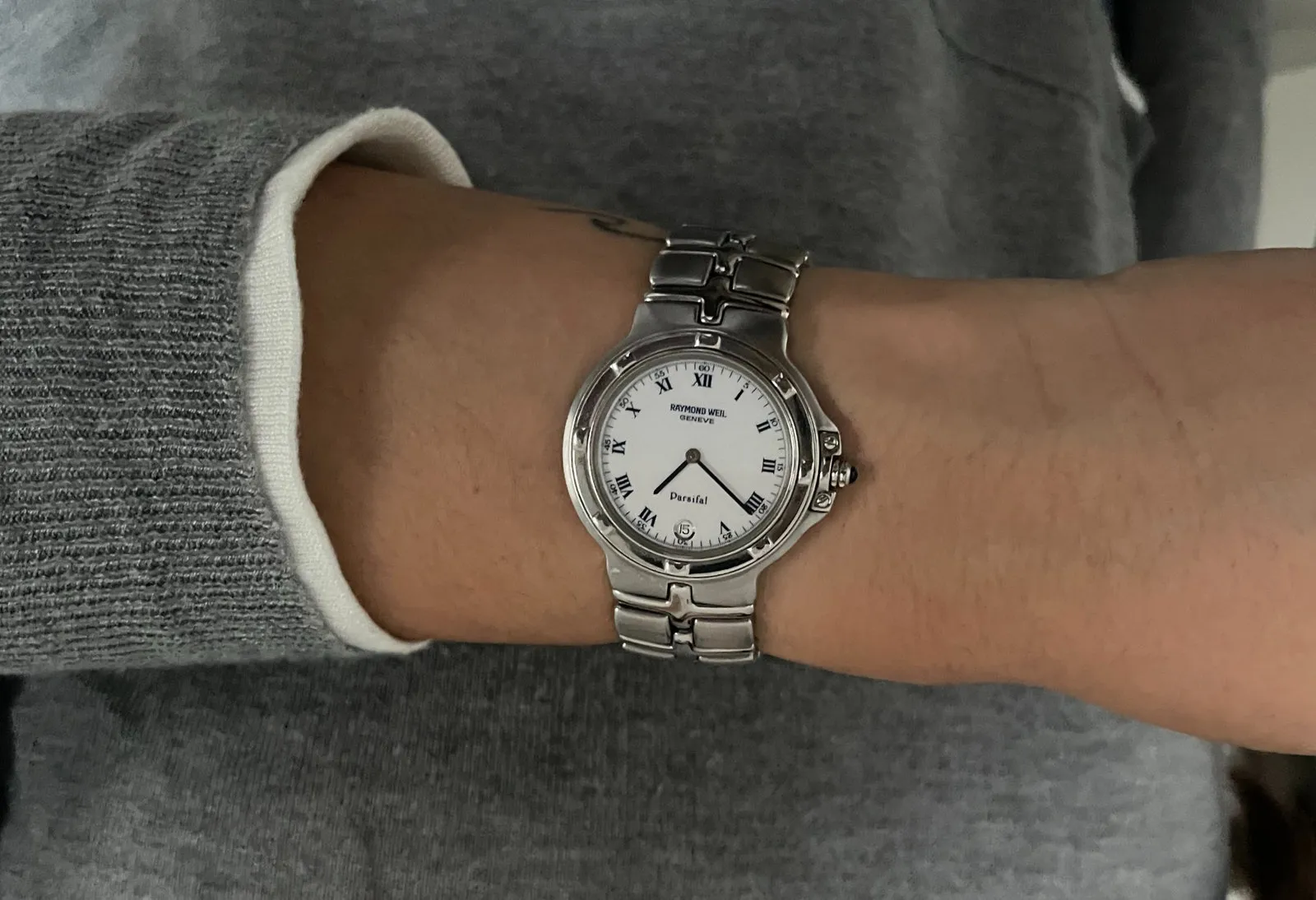
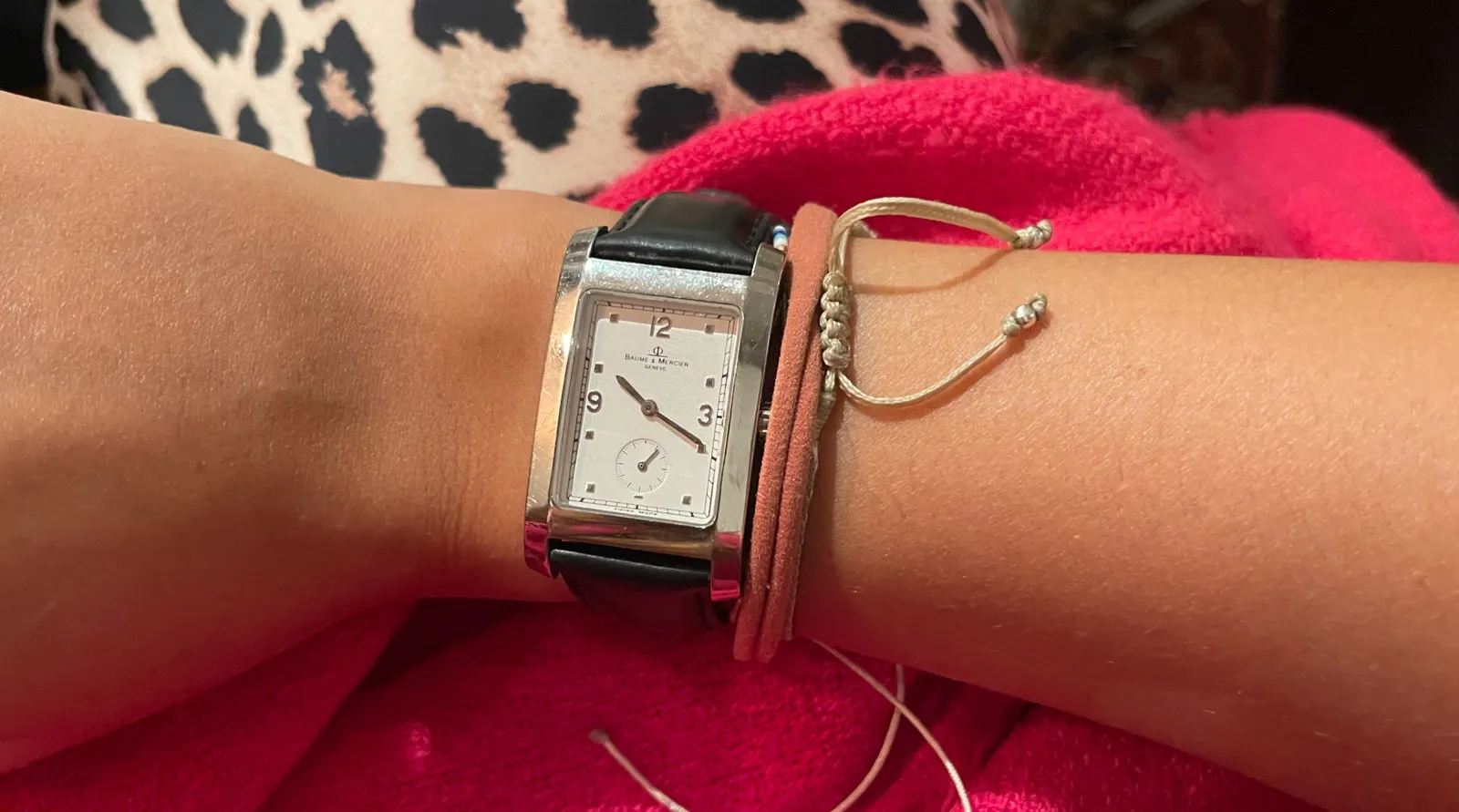
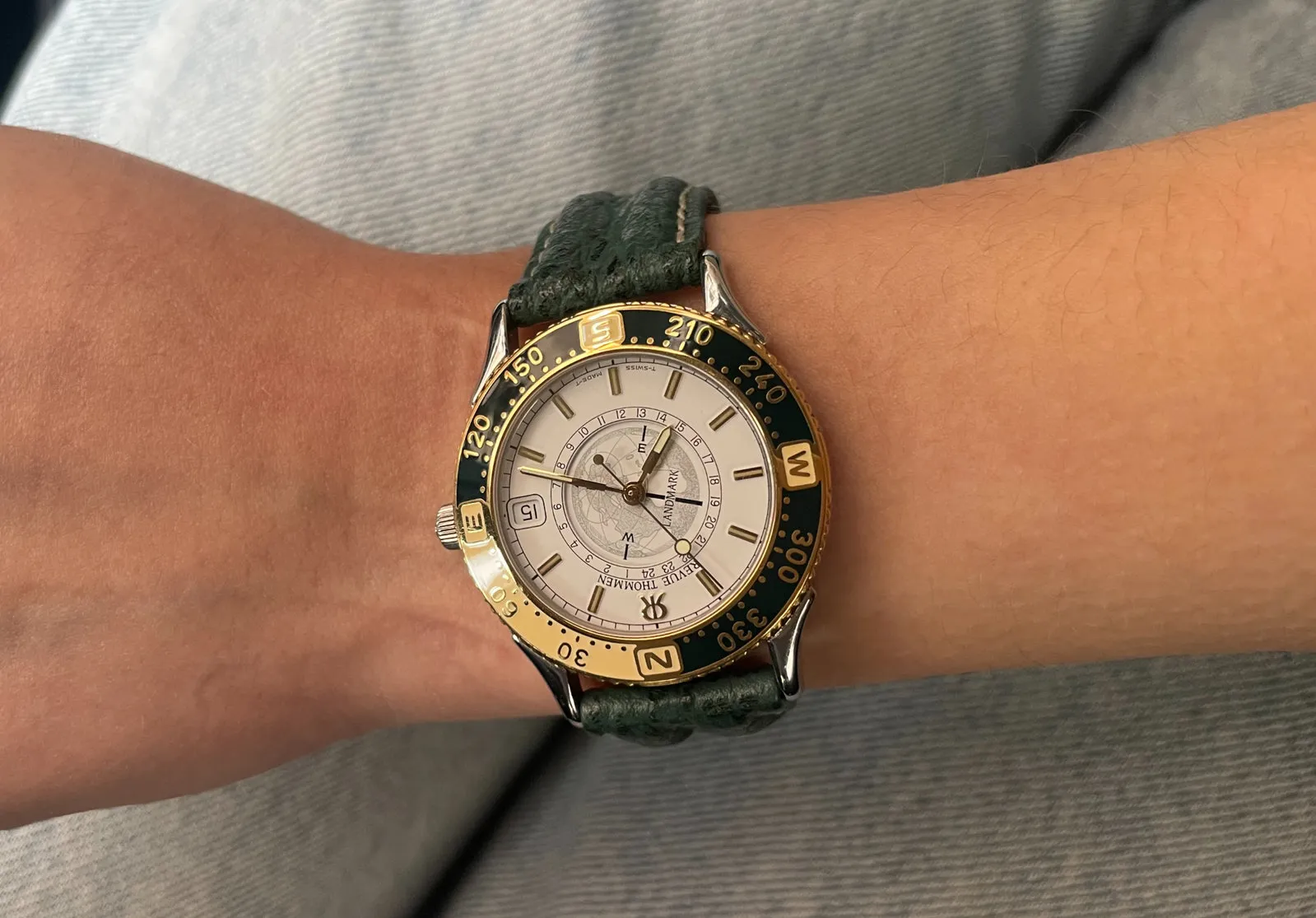
Because a collection doesn't always start with the most expensive watch, but with one that commemorates something important.
The first watch in your collection doesn't have to be found in a display case. It might be in a drawer, or on the wrist of someone who loves you.
Six principles for starting a watch collection
-
Start with the watch that already means something. Check your drawers. An inherited watch, one you were given, one tied to an achievement. That's your first piece, even if it isn't the most expensive.
-
If you buy one, give it a reason. "Pick one you really love and give it a meaning, the reason you're giving it to yourself: because I graduated, because I'm celebrating this or that birthday… or simply the joy of being alive."
-
Don't buy on impulse. My dad has taken months, sometimes years, to choose certain watches. The wait is part of the story.
-
Look after it, and look at it. He admires and cares for his watches almost every day. A well-kept watch can outlive the person who bought it.
-
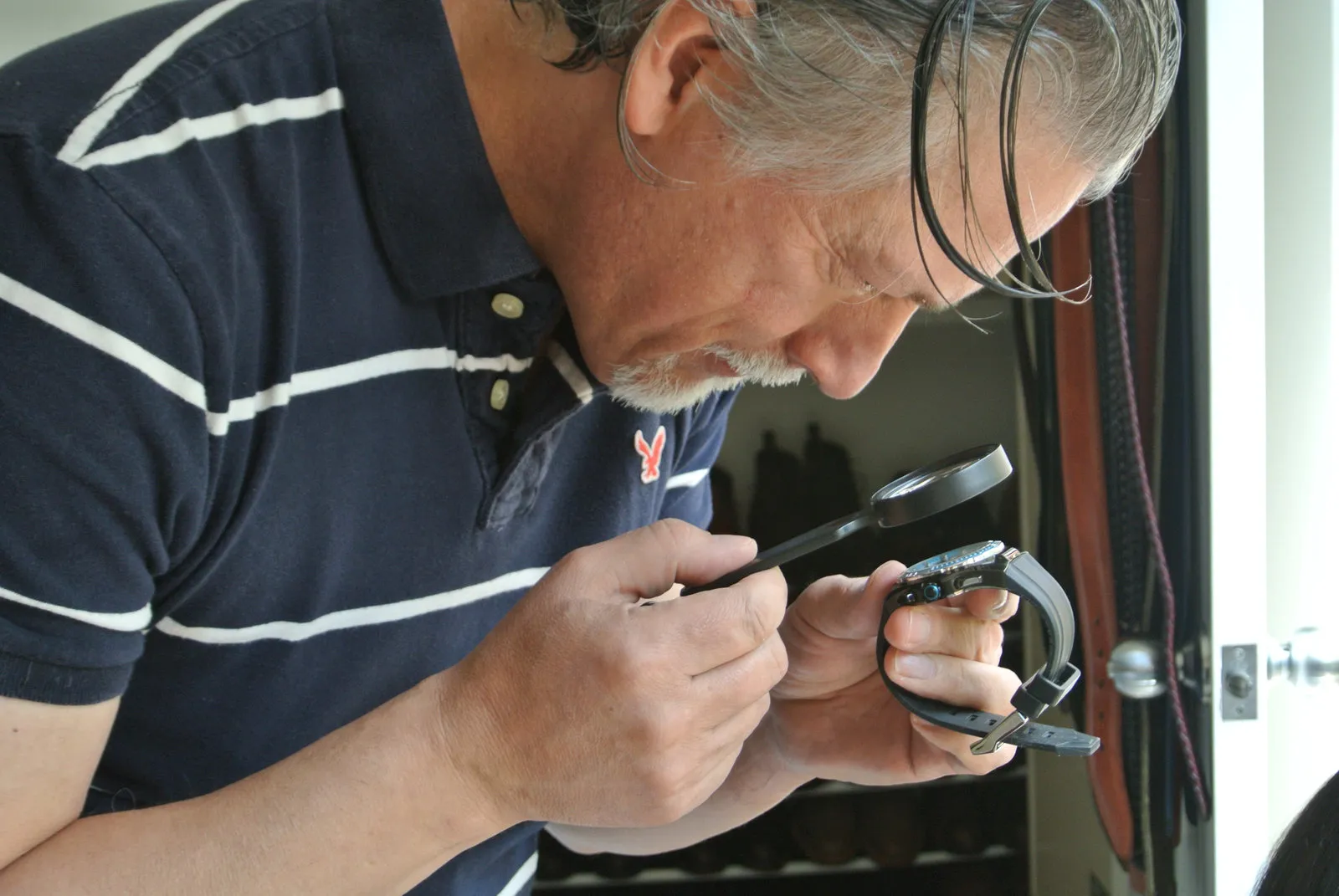
Make it yours. Swapping a strap or customizing a detail is also a way of bringing it to life. His watchmakers say he customizes every single one.
-
The dream watch can wait. With savings and good judgment, the collection becomes more serious and the iconic piece you always wanted arrives. But the starting point is still emotional.
"It's not about having lots of watches for the sake of it," he insists. "I have many because I love them, but every one I own is there because it meant something deeply emotional in my life when I bought it."
When a status watch actually tells a story
I asked him whether that meant he was against the watch as a status symbol.
He went back to the book and started telling me about watches that tell stories.
It was the story of the Domino's Pizza Rolex.
In the late seventies, the chain's founder, Tom Monaghan, gave his own watch to a manager who managed to sell $20,000 in a single week. That was the birth of the "Rolex Challenge": managers who hit that number received a Rolex Air-King with the Domino's logo on the dial.
$20,000
What a Domino's manager had to sell in one week to earn the Rolex.
Later the bar rose to $25,000 a week for four weeks in a row.
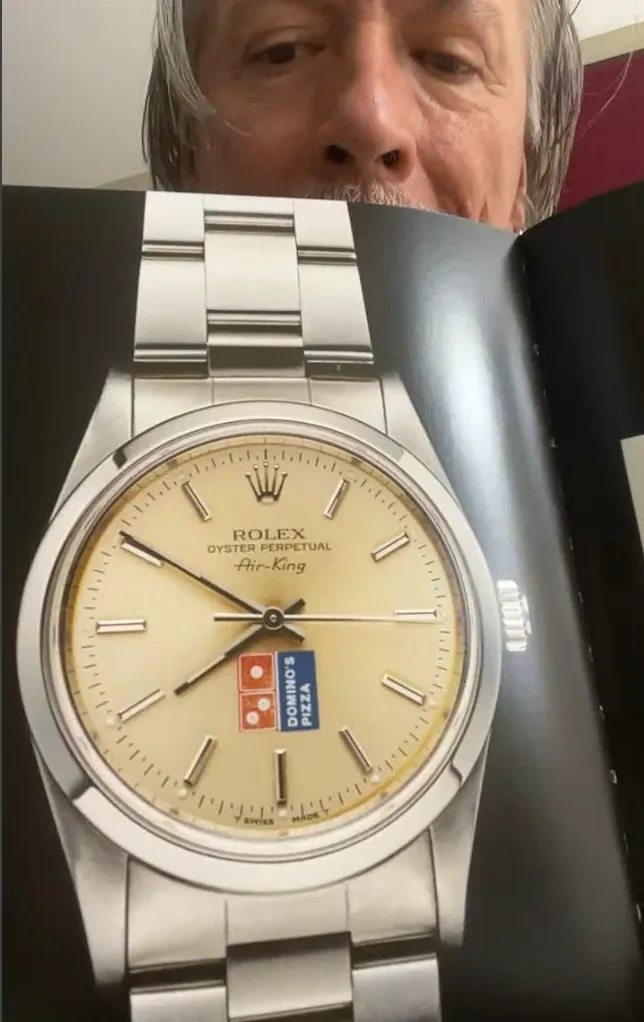
Today those watches are coveted by collectors. In 2020, Christie's sold one for around $20,000, well above a standard Air-King without the logo.
My dad read me the line that came with each one: "You are now part of a select group that wears a Rolex Oyster as a banner of achievement."
What collectors are after isn't the logo or the price. It's what each one represents: a man who reached a hard goal.
That's the nuance. The problem isn't status; it's empty status. He remembered it too in the Omega ads he saw as a young man in Reader's Digest: men closing a deal, celebrating an achievement, with the watch as their witness. Just like the champion lifting a trophy with a watch on his wrist. The watch doesn't create the achievement. It only makes it visible.
A watch collection is something alive
At the end of our conversation I told him he'd surprised me. I'd expected us to talk about brands and investment, as if watches were cryptocurrencies that gain value. But what he described was something else: a collection as a living thing, something that takes time and constant effort, something you revisit and keep searching for.
"It's like a totem," he told me. "Something you look at and remember what happened, who you bought it with, what the reason was for having it."
That's the lesson for anyone starting out. You don't need the big watch. You need one that, when you look at it, gives you back a moment: your first soccer championship, a gift from a grandfather who's no longer here, your graduation, the day you felt like the best-dressed man in the room.
Which watch does your collection start with, and what story does it tell?