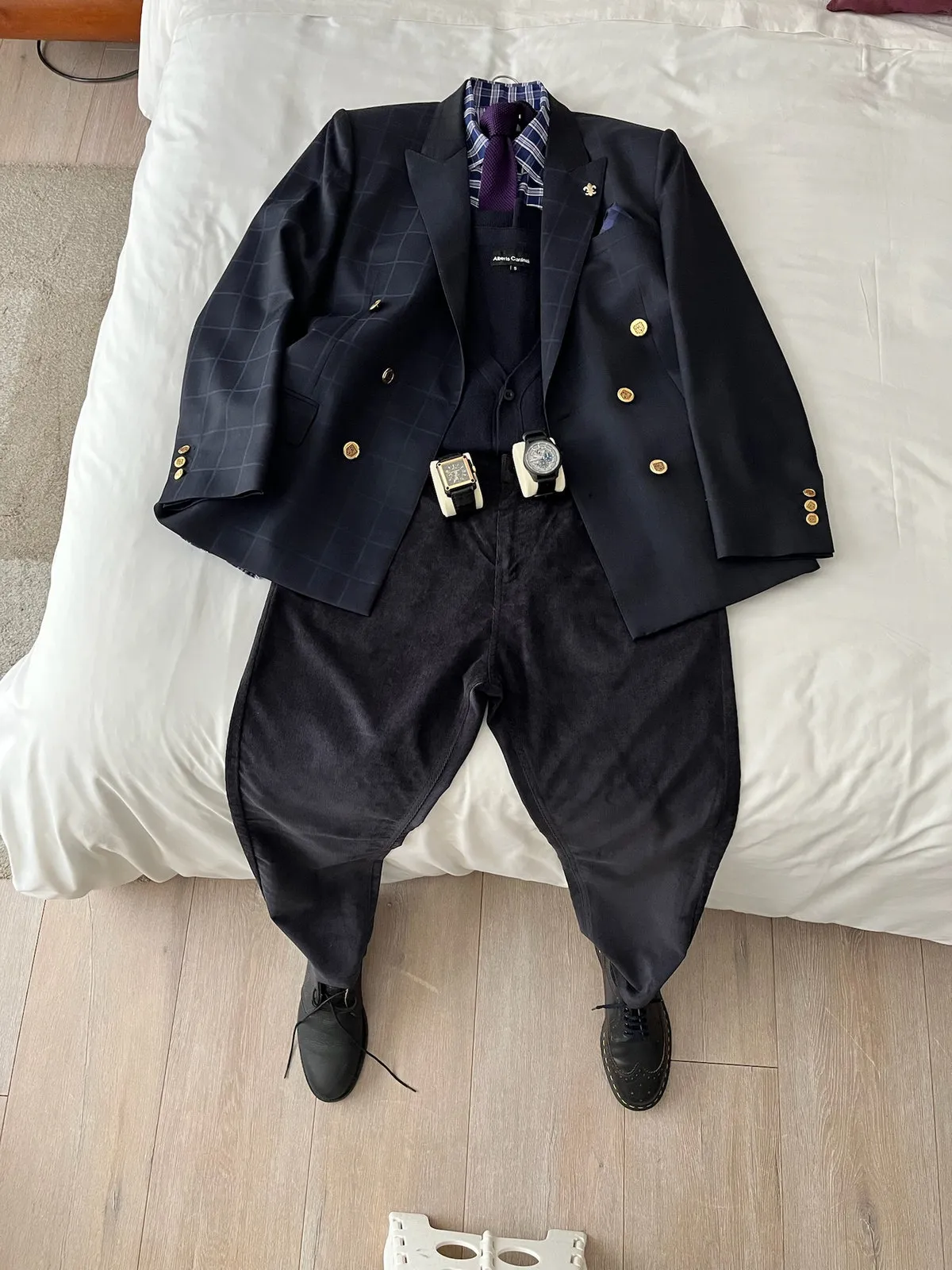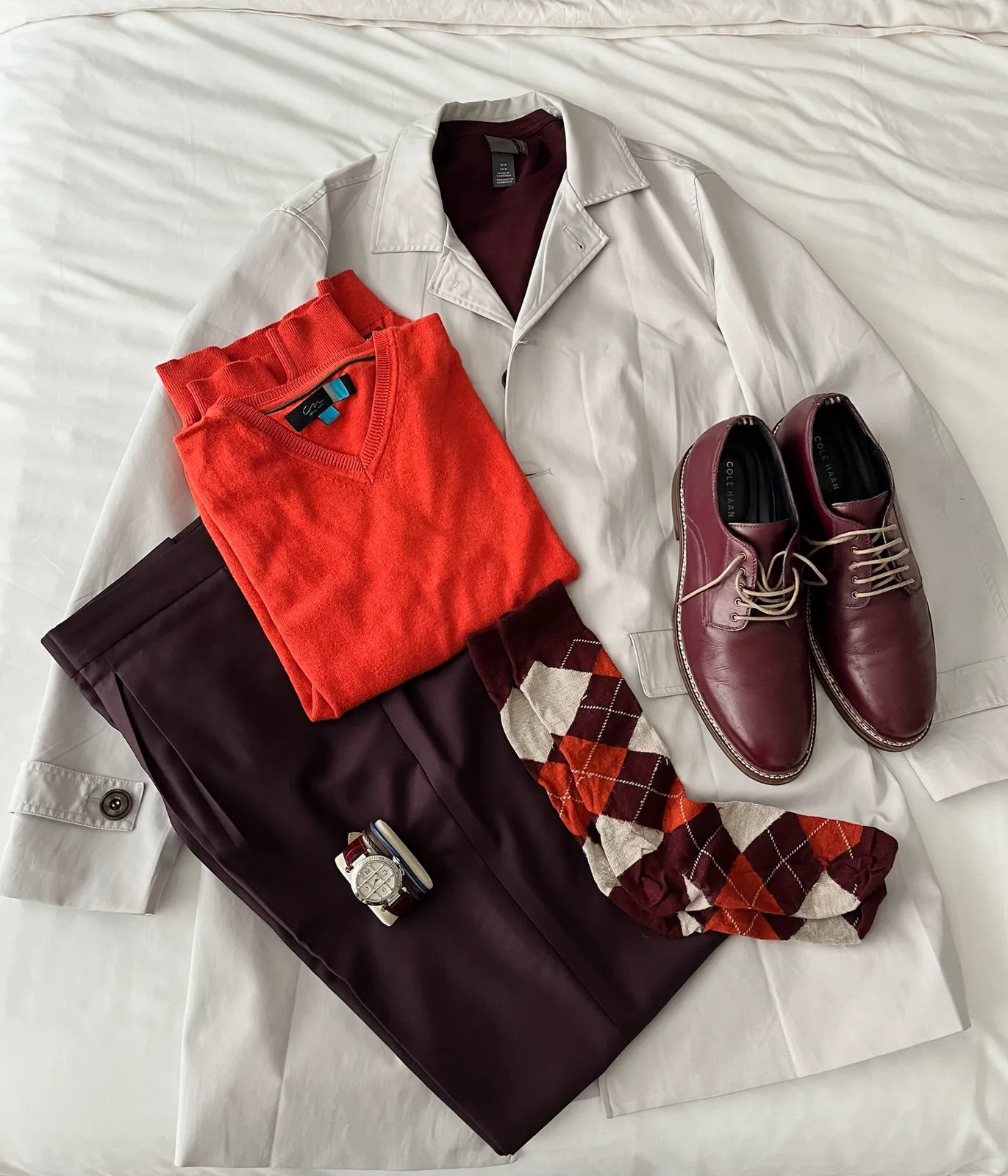
Thirty minutes, clothes laid out on the bed, and a philosophy of dressing that has nothing to do with money.
Look around any airport in the world. Dark jeans. White T-shirt. Neutral sneakers. Repeat.
This isn't criticism, it's observation. Globalized fashion did something curious: with more options than ever available in every country, most people ended up dressing more alike than ever. The same brands, the same cuts, the same safe colors.
The uniqueness of each culture's way of dressing slowly faded. And today many people simply don't think about how to dress — they wear a uniform.
Dad says it without judgment. He understands that time is scarce and that making the most of it is valid. But he also knows something is lost when we stop asking ourselves how we want to look, and how we want to be seen.
What we show you in this article isn't fashion. It's what happens when a man decides that getting dressed deserves attention.
The ritual: the night before
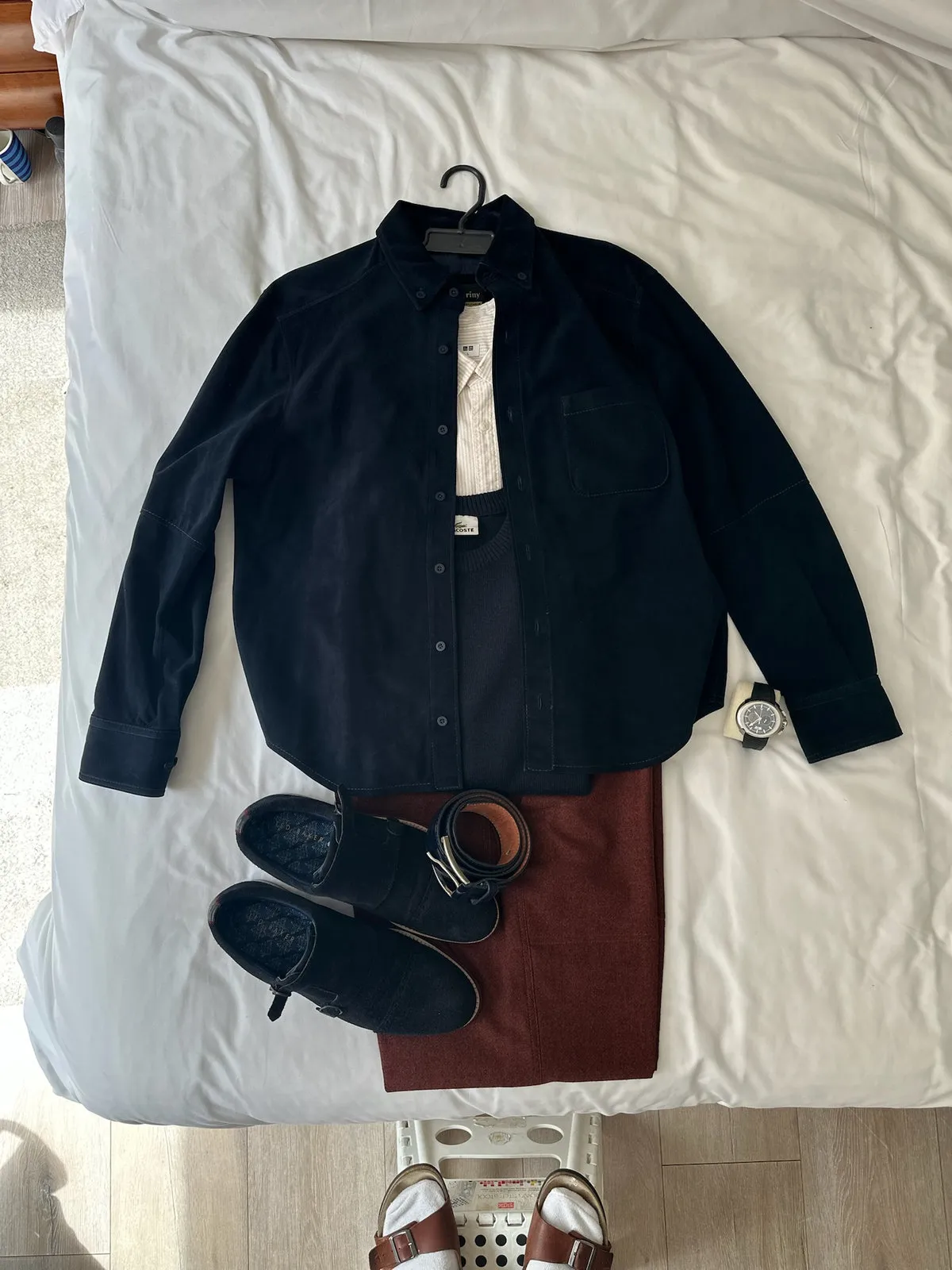
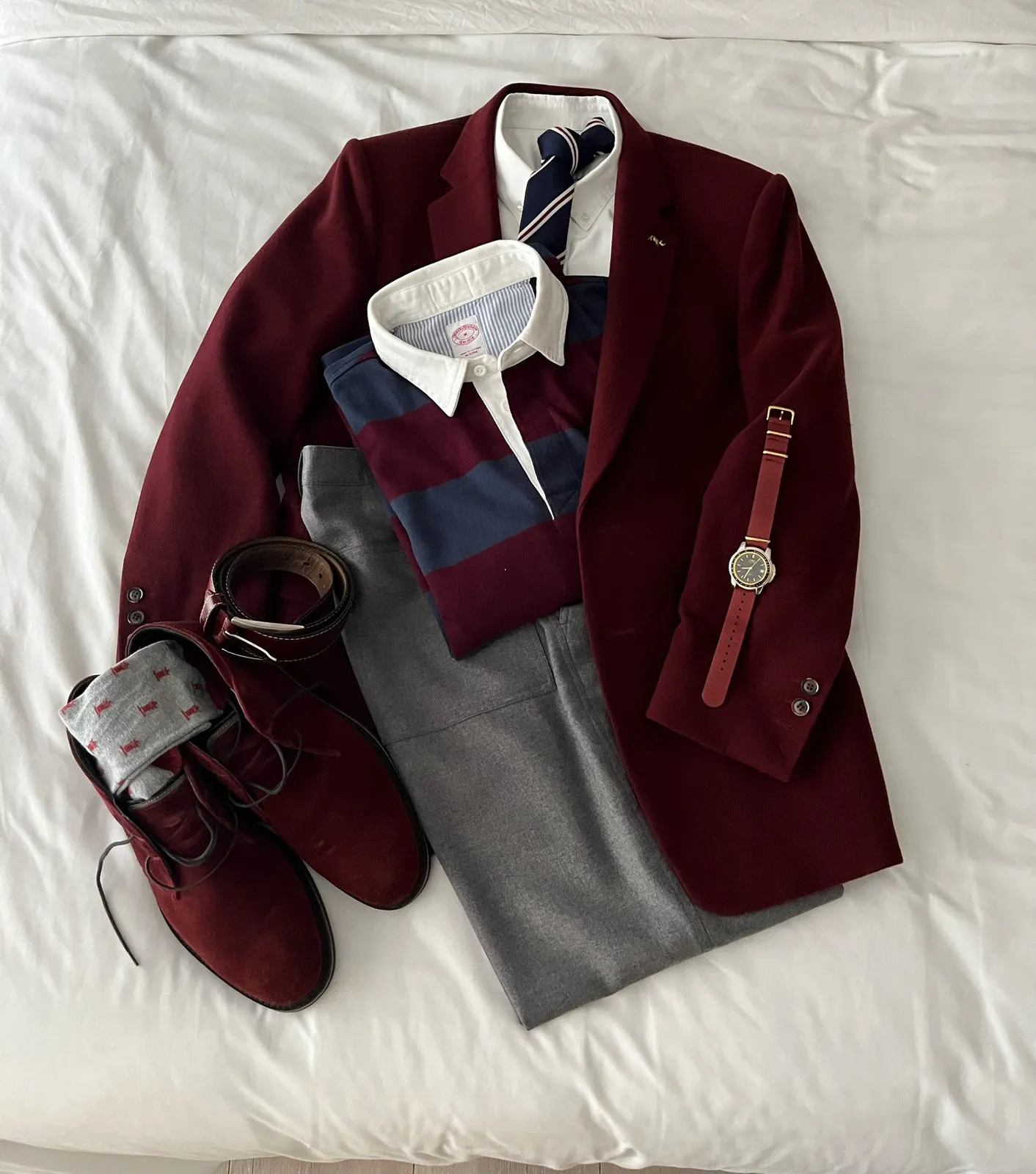
Before turning off the lights, Dad does something he has done for decades: he lays out the next day's clothes on the bed.
It isn't an obligation. It is, in his words, a ritual of calm.
He starts by checking the weather forecast. Not to know whether to bring an umbrella, but to gauge the tone of the day. A cold day calls for layers, textures, deeper colors. A sunny day opens up other possibilities.
But there is more to this process than the weather.
"I draw inspiration from the rays of metaphysics. Each day has a special color. I try to make something I'm going to wear evoke that ray — it can be the shirt, a tie, the watch. It doesn't have to be everything, just a touch."
Then comes the part he enjoys most: the options.
He lays two or three combinations on the bed. He looks at them. He compares them. He swaps a jacket, changes the watch, tries a different pocket square. Sometimes chance does its part, placing two pieces together by accident, and he discovers a combination that hadn't occurred to him.
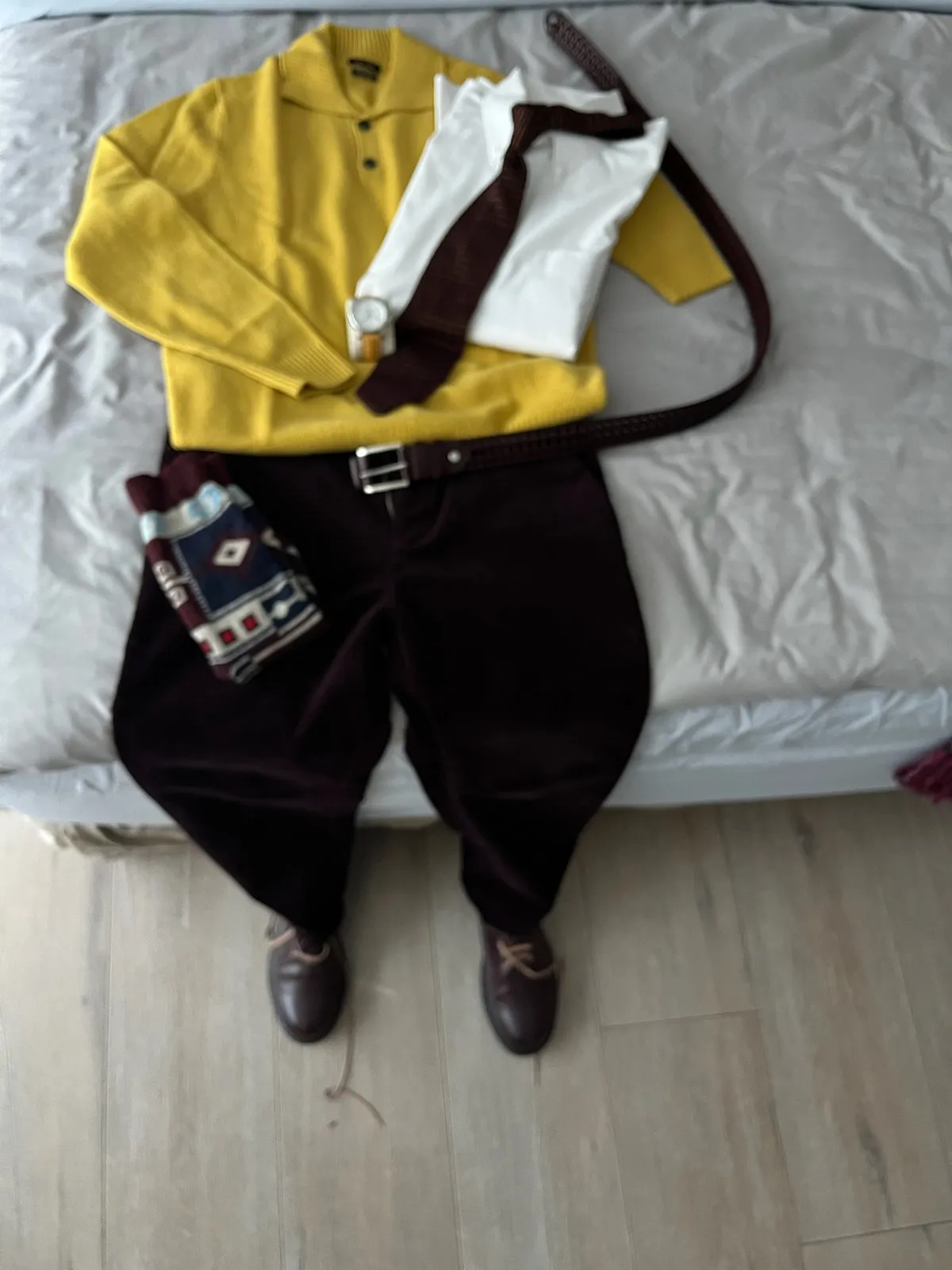
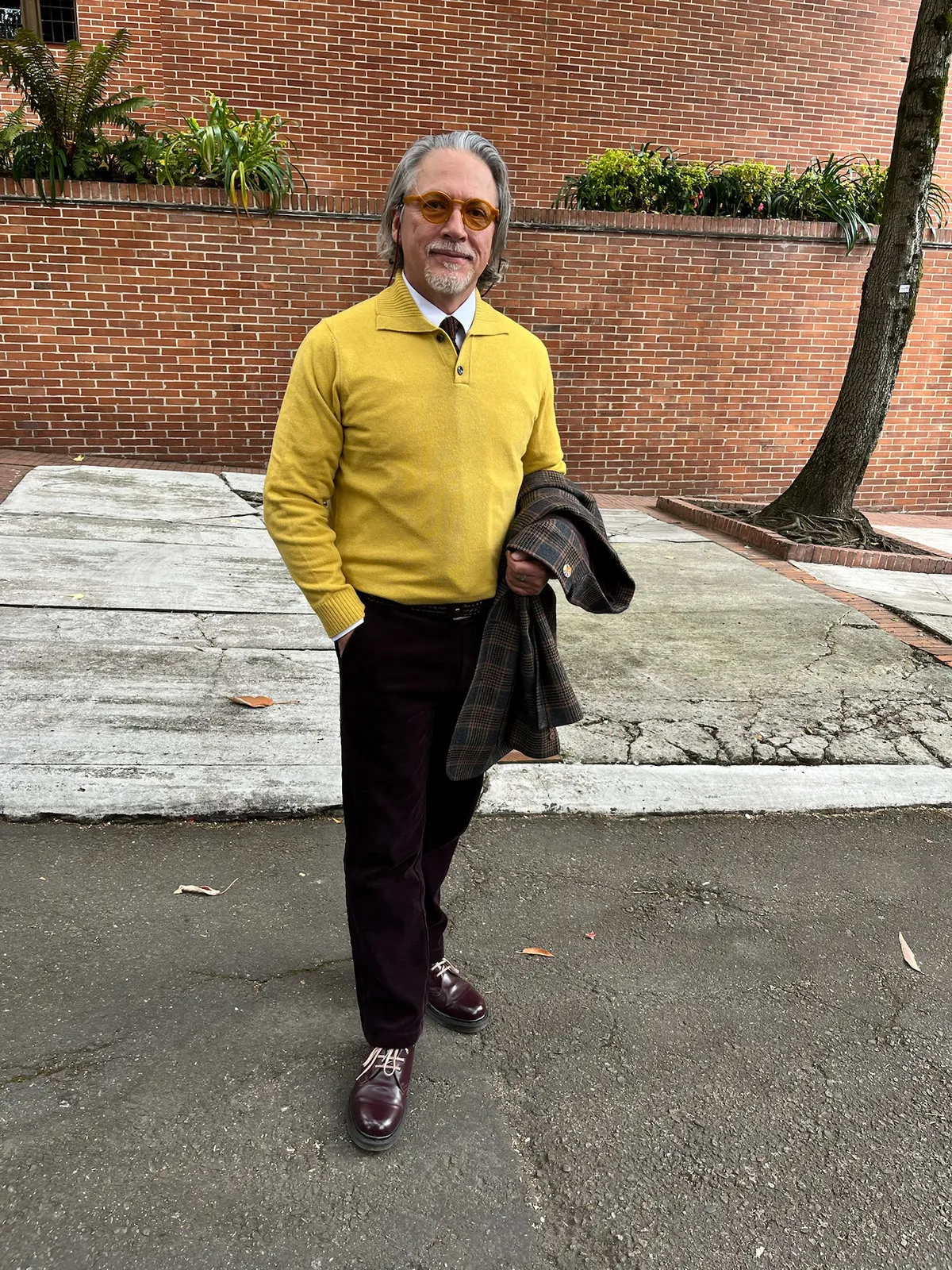
"Everything has so many options: ties, watches, shoes, socks. I really enjoy finding what goes together according to how I feel that day."
The process can take thirty to forty minutes. And when he was working, his head full of meetings and decisions, that moment was exactly what he needed.
"Part of winding down to sleep was choosing my clothes. I'd forget about my problems. I'd start thinking: tomorrow I want to wear this new shirt, or I want to go all blue."
Clothing as meditation. The closet as rest.

Why this matters beyond clothes
There is a scene Dad describes that stayed with me.
One day he was walking and a couple stopped him to ask for a photo. Just because he looked good: different, put together, with character.
"People do like seeing well-dressed people. It's a gift. For yourself and for others."
He doesn't say it out of vanity. He says it with the same logic he uses to talk about nature:
"The bird blossoms with those beautiful feathers. The sunset paints itself in colors. How could you not try to look like that for whoever sees you? Even if they don't speak to you, you brighten their day."
Dressing well is neither a luxury nor an obligation. It is a form of presence. A silent statement that this day, this occasion, this person you're about to see, deserve that you thought about how to show up.
And the best part: it doesn't require a big budget. It requires time, attention, and the pleasure of asking yourself, the night before, how you want to look tomorrow.

Three ideas to start your own ritual
If any of this resonates and you want to try it, Dad has three simple entry points:
Lay out your clothes the night before. Not to save time in the morning, but to enjoy the process when there's no rush. The bed as a canvas, unhurried.
Start with the anchor. First choose the main piece: the suit, the blazer, the colored trousers — and build from there. Everything else responds to that decision.
Let chance play a part. Put two pieces together without overthinking it. Sometimes the best combination is the one you didn't plan.
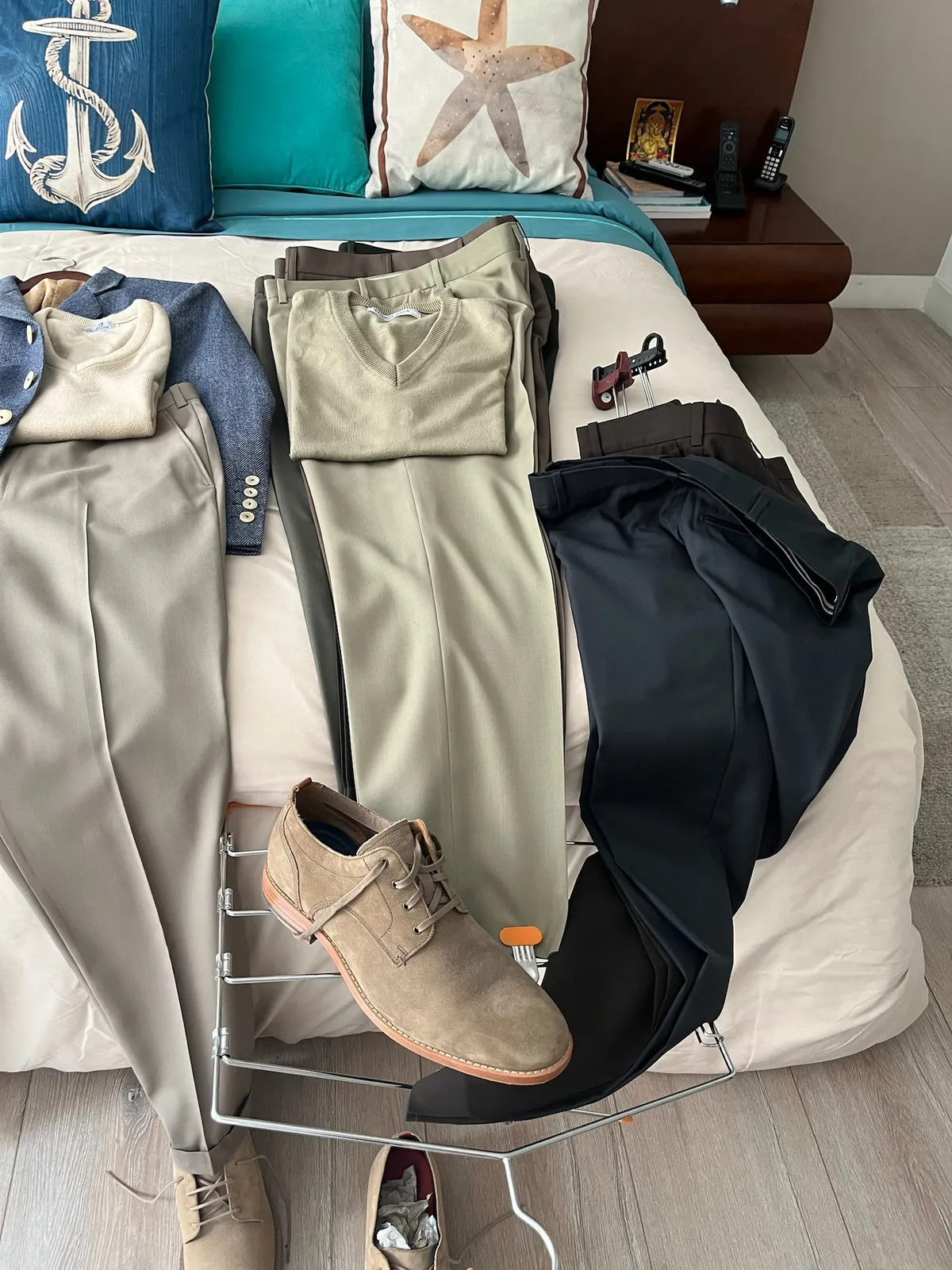
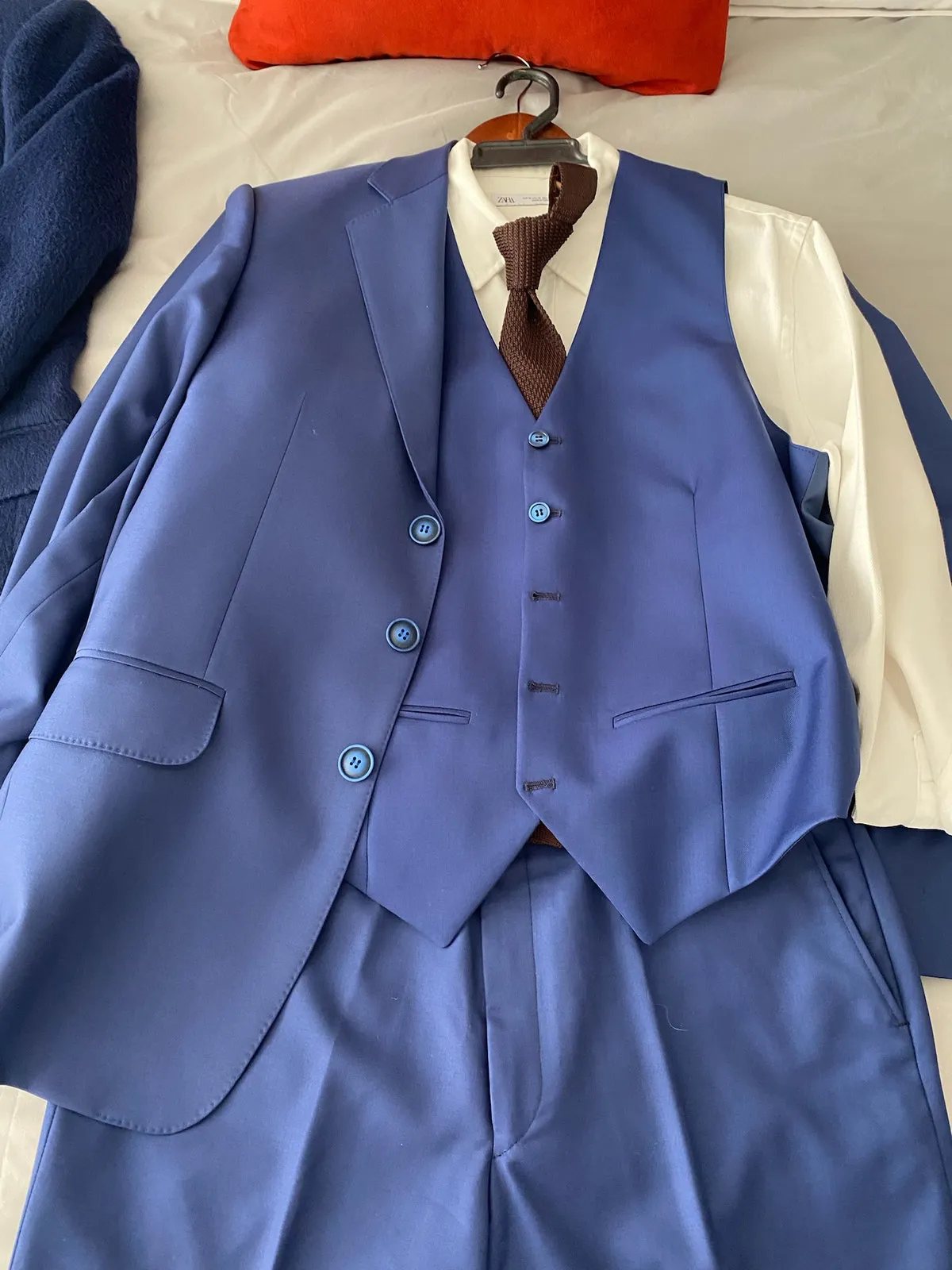
What you see next are not magazine looks. They are real decisions, made the night before, with clothes Dad owns and wears — some for years, some recent, all chosen with judgment.
There are formal combinations. There are casual ones. But they all share one thing: none is careless. Even when it's relaxed, it's intentional.
That is what defines JCP's style — not the price of the clothes or the formality of the occasion, but the attention with which each element was chosen.